A structured daily programme building the habits, identity, and resilience that children need. Starting in Years 5 and 6.
No additional staff training required. No disruption to existing timetables.
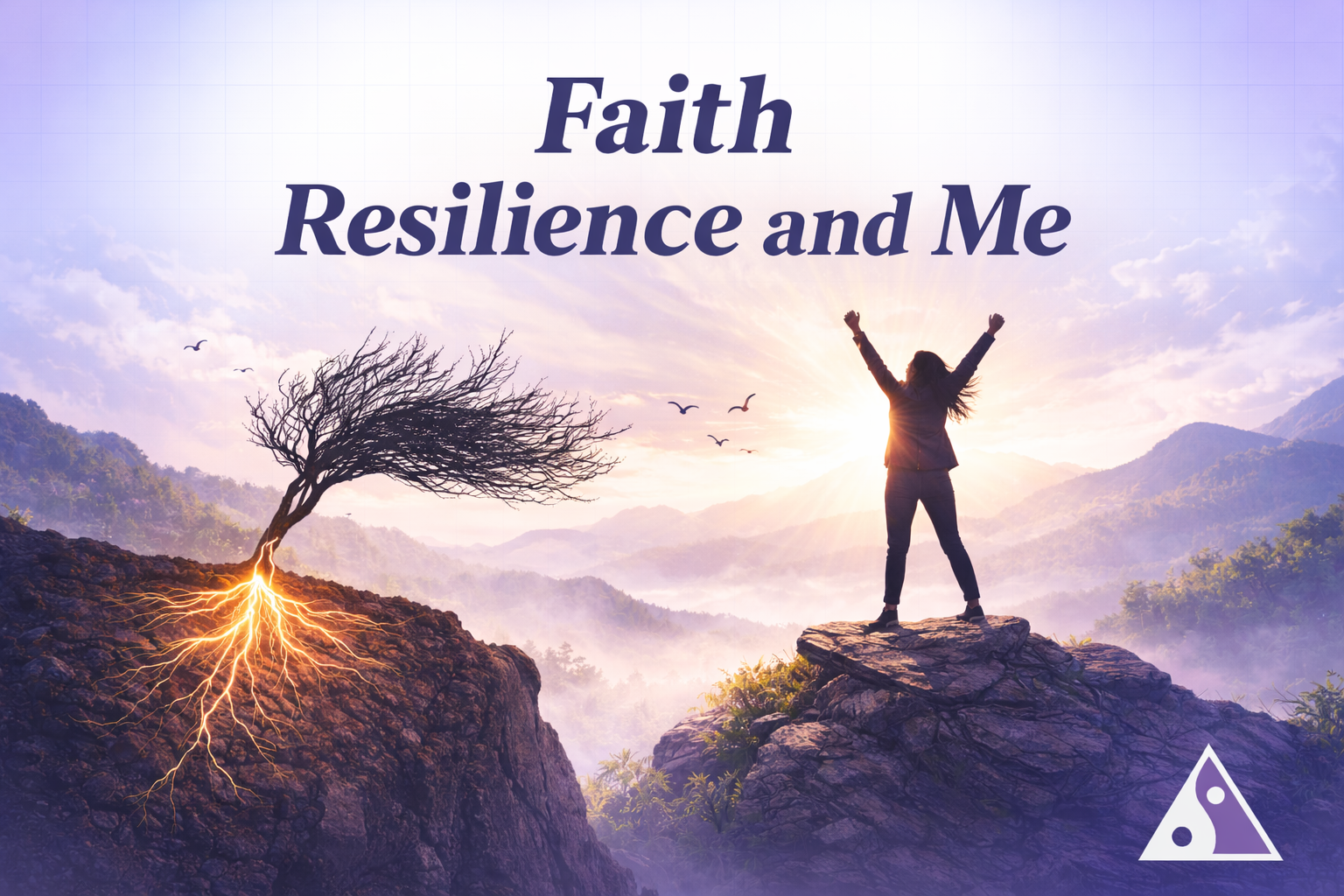
Foundations For Life
6 weeks. 5-10 min a day. Measurable results.
30
School days
5-10
Minutes/day
£200
per school
The Bridge Pilot
2 weeks. 5-10 min a day. Measurable results.
10
School Days
5-10
Minutes/day
Free
No cost
Why This Is Different
Foundations for Life focuses on what children do — building habits and identity that create lasting behaviour change.
Typical wellbeing programme
Foundations for Life
The difference is not the content. It is the mechanism.
A 2-week pilot
A structured character and resilience programme for the transition to secondary school.
Every year thousands of pupils move from primary school to secondary school.
For many of them it is the first time they face:
Most pupils cope well eventually, but teachers know that the first term can be difficult. Confidence dips, organisation breaks down, and some pupils quickly develop habits that hold them back.
Schools spend a lot of time dealing with the consequences of this, not because pupils are incapable, but because they have never been taught a simple system for building resilience and responsibility.
The Bridge was designed to address that moment.
Identity in practice
Each day pupils practise small routines, reflect on key ideas, and gradually build a sense of identity:
“I am someone who keeps trying.”
“I am someone who tells the truth.”
“I am someone who treats others with respect.”
What pupils build
It is a short, structured programme that helps pupils develop the habits and attitudes that support successful learning:
Home and school together
The programme involves parents, reinforcing the same habits at home.
The aim is simple
To help pupils arrive in secondary school ready to learn, ready to take responsibility, and confident they can overcome challenges.
What teachers often notice
When these habits form early, teachers often see improvements in:
The Mechanism
Daily Input
Each session begins with a short, structured piece of content — a principle, a verse, or a prompt that names something true about character.
Repetition
The same themes return across the two weeks, building familiarity and internalisation through consistent, low-stakes exposure.
Accountability
Children are invited to notice their own choices. Small, honest reflections build the habit of self-observation.
Identity Formation
Repeated exposure to language like "I am someone who..." gradually shapes how children see and describe themselves.
Behaviour Change
Identity precedes behaviour. When children believe something about who they are, behaviour follows — without coercion.
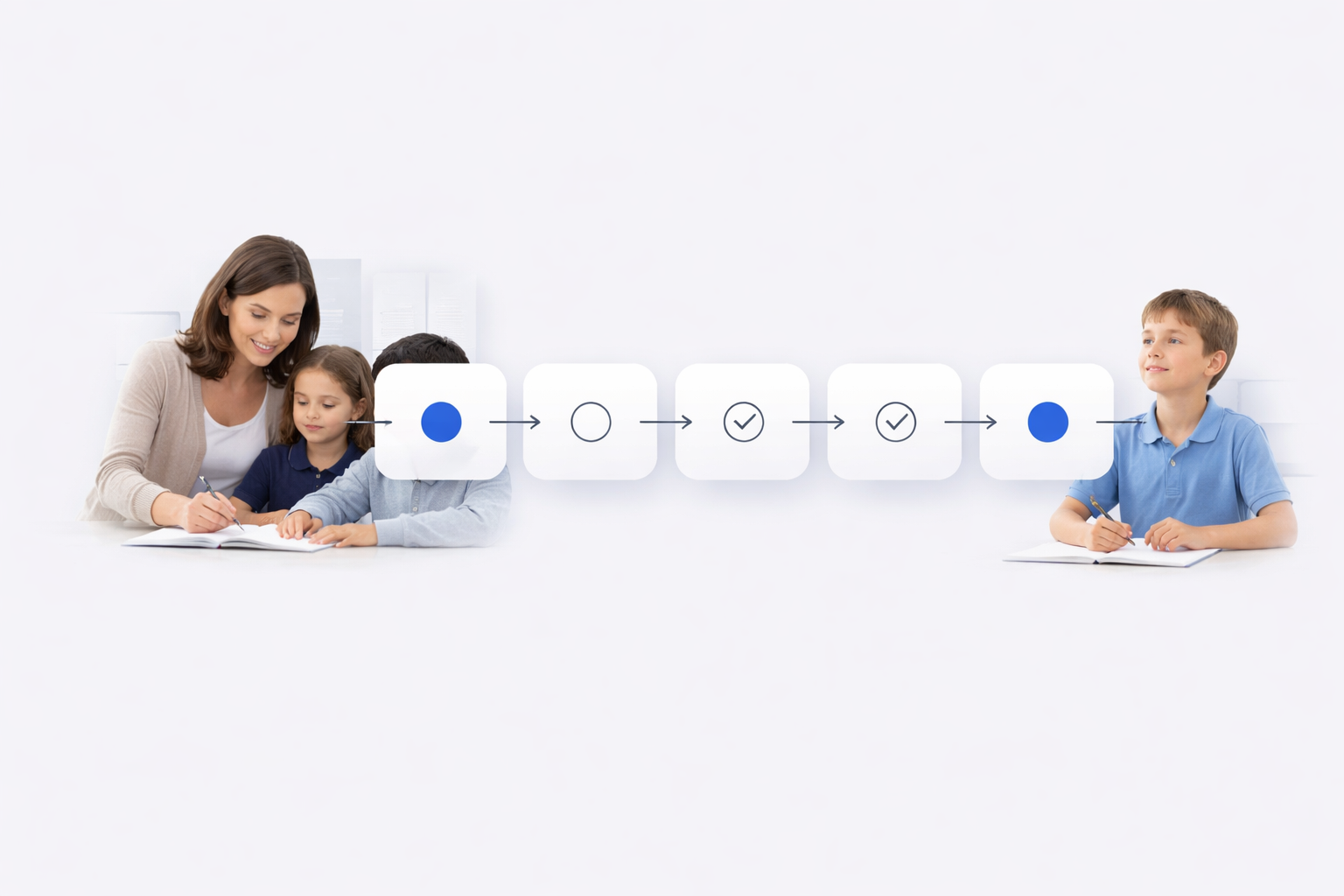
Built on identity, not instruction
Children who believe they are disciplined, respectful, and capable act accordingly. The programme builds that belief.
Evidence
Real data. Not just participation.
Pre & Post Surveys
Pupils complete a short survey before and after the pilot. Compare responses to identify measurable shifts in attitude and self-perception.
Simple Tracking
No complex systems. Teachers note daily delivery and any observable changes in classroom behaviour over the two weeks.
Clear Outcome Reports
At the end of the pilot, we provide a structured outcome summary you can share with leadership, governors, or Ofsted.
Results
Classroom Behaviour
Pupil Confidence
Organisation & Routines
Readiness to Learn
Respect & Responsibility
Home-School Alignment
Minimal Staff Workload
Easy to Scale
Ofsted Alignment
Foundations for Life directly addresses the personal development strand of the Ofsted framework — providing structured, evidenced outcomes you can speak to with confidence.
Ofsted: Personal Development
The curriculum and the school's wider work support pupils to develop their character — including their resilience, confidence and independence.
— Ofsted School Inspection Handbook
Resilience
Confidence
Emotional Awareness
Respect for Others
Moral Decision-Making
Readiness to Learn
Research
Every element of the programme is grounded in peer-reviewed research on habit formation, identity, and behaviour change.
For Parents
More self-directed behaviour at home
Children begin applying the programme's language and frameworks outside school — in chores, routines, and relationships.
Improved communication
Pupils develop vocabulary for talking about effort, responsibility, and respect — which extends into family conversations.
Greater accountability
Children become more willing to acknowledge when they fall short and try again — rather than avoiding or deflecting.
Visible growth in confidence
The programme's identity-building approach produces a quiet, grounded confidence that parents and carers frequently notice.
Parents are not required to do anything. The programme works within the school day. Home outcomes are a natural by-product of identity change.
For Teachers
No lesson planning required
All materials are provided, sequenced, and ready to deliver. You read from the script or display it on screen. There is nothing to prepare.
Fits within existing morning routines
The session takes 5 to 10 minutes. It can replace registration chat, form time, or morning circle — with no lost curriculum time.
No specialist knowledge needed
You do not need a background in wellbeing, psychology, or pastoral care. The programme is teacher-proof by design.
Measurable outcomes you can report
Pre and post surveys, plus a structured outcome report, give you data you can share with leadership, parents, or inspectors.
Supported throughout
We provide a delivery guide, a support call before you begin, and a follow-up conversation once the pilot concludes.
Schools
The thing that struck us most was how quickly the language became part of the class culture. By the end of week one, children were using it themselves — unprompted.
Sarah M.
Year 6 Class Teacher
We have tried a number of wellbeing programmes over the years. What makes this different is the simplicity and the consistency. It does not ask teachers to do more — it asks them to do something small, daily, and well.
James K.
Deputy Headteacher
The pre and post surveys gave us data we could actually use. Not just feelings — measurable shifts in how pupils described their own behaviour and attitude. That was unexpected and genuinely useful.
Amina T.
PSHE Lead
Get Started
Two weeks. One class. Five to ten minutes a day. No cost. No obligation. See whether the programme works in your school before committing to anything.
No credit card required. No commitment beyond the pilot. We will respond within one working day.
Partners
-